
"roasted coffee compounds"
800 article(s) found

Coffee roasting curve-coffee roasting degree diagram to illustrate the principle of dehydration time
Coffee roasting curve-the principle of dehydration time with the gradual increase of the roasting degree of coffee, the aromatic substances formed are mainly small molecular weight compounds at first (during shallow roasting), and they are the most active. at first, a large amount of escape is perceived by our sense of smell, showing mainly the smell of flowers, grass and fruit, and then when it comes to moderate roasting, the aromatic substances are

The effect of Mena reaction time on Coffee A suitable baking method for Alida in Panama
Professional coffee knowledge exchange more coffee bean information Please follow the coffee workshop (Wechat official account cafe_style) We all know that there are two major reactions in the roasting process of coffee beans: the Mena reaction and the caramel reaction. The Mena reaction can be said to be the most complex reaction in the coffee roasting process, and it is also one of the most important reactions to produce a variety of coffee flavors. In this.

Interpretation of the defective flavor in the coffee flavor wheel how does the defective flavor of coffee come into being?
Professional coffee knowledge exchange more coffee bean information Please pay attention to the coffee workshop (Wechat official account cafe_style) what is the meaning of coffee wet and dry coffee flavor and aroma of coffee seven factors affecting the flavor and aroma of coffee, we all look forward to the moving moments full of fragrance: caramel, flowers, berries, nuts, honey, tea and other wonderful and compound aroma

Baking basic science, browning reaction non-enzymatic browning
Following Cafe Review (official Wechat account vdailycom) found that non-enzymatic browning of Beautiful Cafe opening a small shop of its own is different from enzymatic browning. Non-enzymatic browning reactions do not require enzymes, but their reactions require heat, sugars and amino acids. There are two non-enzymatic browning reactions related to coffee roasting: caramelization (caramelization recation) and Maillard reaction.

Bake is good! Roasted coffee beans produce more than 650 aromas!
Professional barista communication please pay attention to coffee workshop (Weixin Official Accounts cafe_style ) coffee beans must be roasted to have coffee aroma, this is because when roasting raw beans, volatile substances and other components will thermally decompose or interact to form coffee unique aroma and flavor, at present it is known that roasted coffee beans can produce at least 650 kinds of aroma. coffee green

Effect of roasting on Brown Coffee Powder
Roasting causes physical and chemical changes in coffee beans and ingredients, which determine the color and ignorance of brown coffee powder.

Words describing the aroma and taste of coffee. Words that describe the taste of coffee.
Professional coffee knowledge exchange more coffee bean information Please pay attention to the coffee workshop (Wechat official account cafe_style) different kinds of coffee have different tastes, some may surprise you, each can make coffee drinkers have a different experience. Although coffee is the main ingredient in wine, whisky and craft beer in the minds of many people, specialty coffee is very popular.

How long is the shelf life of the so-called "raise beans" and "wake up beans" coffee cooked beans? Do you need to wake up the coffee beans?
Professional coffee knowledge exchange more coffee bean information please pay attention to the coffee workshop (Wechat official account cafe_style) the correct way to grow beans how long is the coffee bean growing period? Why raise beans? What is the so-called principle of raising beans or awakening beans? Let me be clear. In fact, the composition of flavor compounds in roasted and completely cooled coffee beans has been roughly finalized.
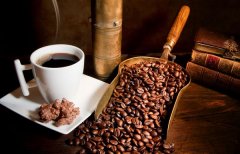
The basic knowledge of coffee the taste and taste of coffee
The sensory evaluation of coffee flavor is divided into three stages: smell, taste and taste. The sense of smell of coffee refers to the sensation of olfactory organs. People smell the smell because the receptors at the nasal septum are stimulated by volatile chemicals, usually containing hydrogen, carbon, nitrogen, oxygen or sulfur. When these chemicals are forced in the form of gases

Study on the chemistry of small grain coffee in Yunnan, Kunming Institute of plants, Chinese Academy of Sciences
Professional coffee knowledge exchange more coffee bean information Please pay attention to coffee workshop (Wechat official account cafe_style) Coffee as one of the most popular beverages in the world, its composition and physiological function have always been the focus of scientists all over the world. As the largest emerging coffee consumption market in the world, China has not only attracted the attention of a large number of investors, but also promoted the characteristics of agriculture in Yunnan Plateau.

The origin of caramelization of the attractive aroma of coffee
Why do you love coffee so much? apart from the refreshing effects of caffeine, I think the reason why people and thousands of coffee fans often miss coffee is its charming aroma, so where does it come from? The important thing is that coffee beans are rich in a variety of raw materials, which produce a variety of reactions after baking, resulting in an attractive aroma. The two most important responses are

What is the aroma of coffee beans? how to describe the relationship between coffee aroma and flavor acidity?
Basically, the aroma is the taste of coffee. It is the reason for many flavor attributes (sweet, salty, bitter, sour and delicious) that the tongue cannot directly perceive. Due to the improvement of testing equipment, there are more than 800 known fragrances in coffee, and new fragrances are found regularly. The aroma of coffee is also called its aroma or aroma, which is different from the aroma of coffee, in coffee terminology.
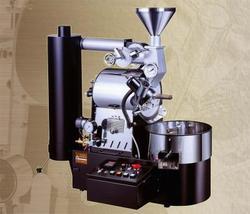
Afterburner system of coffee roaster burner gas supply system diagram of coffee roaster knowledge of coffee roaster
Post-burner system, also known as direct-fired thermal oxidizer system. Direct-fired thermal oxidizer or post-burner is the simplest kind of thermal oxidizer, which can greatly reduce VOC emissions by instantly cremating soot or carbide ions into clean water vapor at a high temperature of about 500C. This kind of thermal oxidizer does not carry any heat recovery equipment and cannot recycle the heat generated in the combustion process. Typical
What chemical reaction changes will take place during the roasting process of coffee beans? What happened to the roasting of coffee beans
Professional coffee knowledge exchange more coffee bean information please follow the coffee workshop (Wechat official account cafe_style) coffee beans in the roasting process what chemical reactions will take place? What happened to the roasting of coffee beans? Sucrose: melting point 187.8 ℃-sugar? The conjugate = caramelization-water CO2 escapes to produce an explosive First Crack phenomenon. I measured the bean temperature 190 in the drum bean of the baking machine.

Chemical changes in the reaction of coffee roasting which reactions are chemical changes in coffee bean roasting
Professional coffee knowledge exchange more coffee bean information please follow the coffee workshop (Wechat official account cafe_style) professional coffee roasting | coffee roasting is too complicated? A picture teaches you that there are two stages of change in the roasting process of raw beans after baking. 1 physical = volume, density, volume 2 chemical = smell, taste, taste intense coffee beans are roasted at high temperature.

How to choose coffee beans with low acidity? which coffee beans have lower acidity?
Without acidity, the taste of coffee will become dull and tasteless. Acidity is an ideal major coffee flavor sensation, which is considered to be the pleasant sharpness of the front of the mouth, the numbness of the tip of the tongue or the dryness of the back of the upper jaw and / or below the edge of the tongue; indicates the quality of the coffee. Good acidity tends to be sweet, crisp and sour to enhance other qualities of coffee. Coffee famous for its pleasant acidity
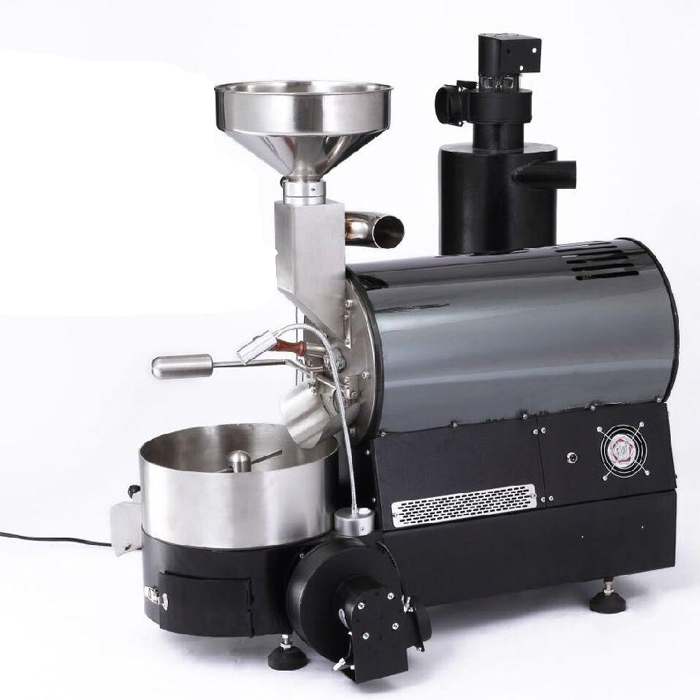
The afterburner system of the coffee roaster to understand the configuration of the structural parts of the coffee roaster
Post-burner system, also known as direct-fired thermal oxidizer system. Direct-fired thermal oxidizer or post-burner is the simplest kind of thermal oxidizer, which can greatly reduce VOC emissions by instantly cremating soot or carbide ions into clean water vapor at a high temperature of about 500C. This kind of thermal oxidizer does not carry any heat recovery equipment and cannot recycle the heat generated in the combustion process. Typical

How to make coffee powder? The grinding of coffee powder can make the overall flavor of coffee different
Professional coffee knowledge exchange More coffee bean information Please pay attention to Coffee Workshop (Weixin Official Accounts cafe_style) We are often asked about the best way to make coffee at home; what machine should I buy? What brewing method should I use? What is the ideal brew ratio of this and those beans? Sometimes, these questions are easy to answer, but sometimes it takes more digging to get there.

Talking about the effect of roasting on malt and coffee
Following Ka Pin (Wechat official account vdailycom) found that the wine in Beautiful Cafe opened its own shop called liquid bread, mainly because beer is rich in nutrients, rich in various amino acids and vitamins, and has certain calories, this is because ethanol, sugars and amino acids in beer are all high-calorie ingredients. But you've tasted something that tastes like solid bread.

Awaken the Spirit of Flavor-- the Chemical change and dramatic Evolution of "Baking"
What happens when coffee beans are roasted? In fact, no one can answer this question very accurately. One of the mysterious characteristics of coffee beans is that their aromatic compounds are very complex. at present, it is known that there are about 700850 substances related to flavor in roasted coffee beans, and the actual number of substances will be related to each experiment.